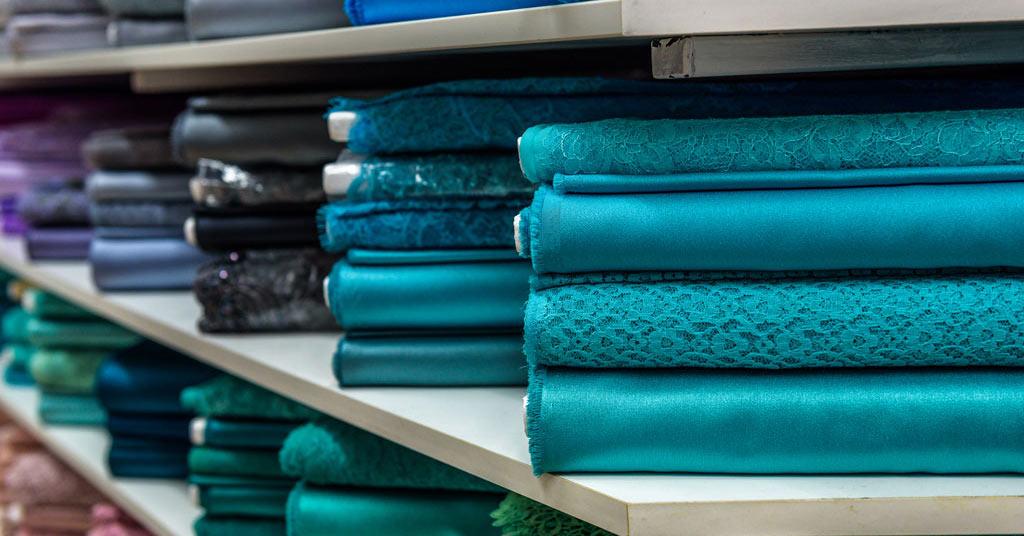
20 Best Suggestions for Finding Dress Fabric in Birmingham, Lichfield and Walsall
Wiki Article
Custom-Designed Curtains Shine Ready To Go Every Time.
The decision between ready-made or custom-made curtains is often presented as a matter of price versus the luxury. It's a common error. Custom-made drapes are an entirely different kind of object. They are a technological installation in your living space which can deal with light, acoustics as well as durability and proportion in ways that mass-produced products can't. They're not only decorative, but they also act as environmental filters. They are precisely engineered beginning with the fabric. This in-depth look at the ten most important, but often unnoticed advantages of the custom route.
Top 10 Things To Know:
1. The "Reveal", the exactness of it: architectural integration over window coverings.
The curtains are put up near the window. Custom-made curtains are created to match the style of the window. The "reveal", or the exact distance between a curtain edge and frame of the window when it is opened, is the most important measurement. Professional curtain makers will determine the "reveal" to millimeters. They make sure that the curtains are placed neatly in a way that they do not block sunlight or views, and also be aligned with architraves. The standard size hover is eliminated. This requires precise tracking and brackets. Specialists linked to fabric stores in Birmingham's business districts are able to provide this service. They are knowledgeable about both building fabric and dress fabric.
2. The secret of professional drapery Silhouettes The "Fullness Factor
The main distinction is in the impact on the eye. Ready-made panels have a ratio of width-to rail (fullness) generally less than 1, and are flat. Curtains made to measure have fullness ratios of 2:1 or 2.5. If, for instance, you have a rail that is 2 metres long, then you need to utilize five or four metres of curtain material. The extra fabric is permanently pinned to the header. It forms lavish, rich-filled folds that form natural, constant cascades, called the "stack". This offers excellent light blockage and insulation. This requires precise calculations when purchasing fabric by the metre. A service provided by all reputable curtain fabric stores.
3. Fabric Sovereignty - Letting Go of the "Domestic" Ghetto to create True Performance Textiles
Curtains that are ready-made are usually comprised of a small selection of mass-produced "domestics" fabrics. Customisation lets you access the entire range of the decorative and contract fabric universe. Select upholstery-weight fabric for durability and superior light-emitting or delicate dresses like silk sheer to give a filtered radiance. You can get a thick wool from an Birmingham trade counter to provide acoustic dampening, or a linen-blend from a Lichfield boutique due to its textural quality. The fiber, weave and the finish are selected based on your specific aesthetic and performance requirements, not a factory's cost-efficiency.
4. The Lining & Interlining Stratigraphy The Building of a Multilayer Windows Engine.
Curtains that are ready-made offer the most basic liner. Sandwich-style curtains are made on demand. The fabric for the face is only one layer. A lining made of cotton provides stability and shields from UV fade. The third and most important layer is interlining, which is a soft fluffy wool or synthetic layer that is sandwiched between lining and face. It adds the body, weight and unparalleled thermal insulation. It transforms drapery and makes even the lightest fabrics appear luxurious. This intricate assembly is the mark of a skilled workshop and goes beyond the single stitch design of ready-mades.
5. Header Engineering – The secret mechanism for hanging and operation.
The head of the curtain (where hooks are) is its motor. Ready-mades are made with normal tape and pre-spaced clips. Custom curtains feature engineered headings. These are hand-stitched deep pleats, such as goblet triple, or double. They're sewn directly on the solid base of a Buckram. It permits an exact control of pleat size, shape and depth. This ensures that the curtains will fit well when opened, and will not buckle. The choice of the header is made according to the fabric, pole design and formality. This bespoke engineering is detailed when you commission through a reputable fabric shop's recommended maker.
6. The Hem Weighting Ritual: The art of the perfect Perpendicular Fall.
The use of weights is to create curtains that hang in a straight vertical line. Custom makers attach chains or lead weights to the hem corner, and sometimes the side hems. The tension is added to the fabric and causes it to stretch through its own drag. This guarantees that the curtain falls from ceiling to floor in a straight line. This tiny, but sometimes insignificant feature gives custom drapes a strong and authoritative appearance within a space.
7. Alchemy of the Problem-Window Converting defects into advantages.
There are many ways to personalize. Do you have a sill that has heater? A custom-made solution requires a precise sill-length with the use of a tie-back, weighted holdback to direct heat to the space. What about an attic window that slopes? The curtain rail is made to fit the angle and the curtain is cut on a corresponding slope. Do you have a set of windows that aren't matching? It's possible to build one pelmet or track. Local Walsall makers, who are familiar with the various styles of Victorian terraces contemporary extensions, as well as other styles of architecture in the area, are adept at creating the most practical spatially-specific solutions.
8. The Local Ecosystem From the fabric bolt to final installation.
Custom-made curtains are a way to build the local craft community. It begins in an online shop for fabrics, such as sourcing a bold print from Birmingham's Rag Market or a delicate linen from Lichfield. The shop may suggest a reputable curtain maker who will subcontract with a metalworker from Birmingham's Jewellery Quarter to create a unique pole, or with the help of a woodturner to create finials. The designer coordinates with an installation contractor who is knowledgeable of the wall styles that are native to the area (solid plasterboard, solid brick). This collaborative, hyperlocal chain guarantees accountability, encourages craft, creates an item deeply rooted within the local skill set, unlike the anonymous supply chain of pre-mades, and fosters the development of craft.
9. The Longevity Equation: Cleanability, Reparability and Adaptation.
Custom-made curtains can be a smart investment that will last for a long time and not just for only for a few months. They are designed for maintenance. High-quality curtain fabrics are able to be cleaned by professionals without damage. Seams have been overlocked and stressed points reinforced. If a window is damaged by sun only a small section of it can be reconstructed by using the fabric left from the "cuttings" metre. When you move house, a reliable maker can usually alter them for new windows. This repairable and circular life cycle is quite different from the disposable model of ready-made curtains that need to be replaced when they wear out.
10. The Intangible weight of perfection It is the psychological and sensory payoff.
The experience is what counts. The quiet, smooth motion of the track. Floor-to-ceiling curtains that are interlined give you complete darkness. The way precisely calculated folds produce afternoon light. The confidence that each aspect, from thread colour to tie-back knots were carefully thought of. This gives you a feeling of calm, order and comfort that is tailored to. It is the result of a human touch applied to the material. It creates a connection to the maker, place and a cellophane encased standard-sized panel. View the most popular curtain fabric for website examples including curtain fabric shop near me, curtain store, curtains and tracks, hole in the wall curtains, curtain in the window, curtain poles, curtain fabric online, in window blinds, curtain on the window, tie backs for curtains and more.
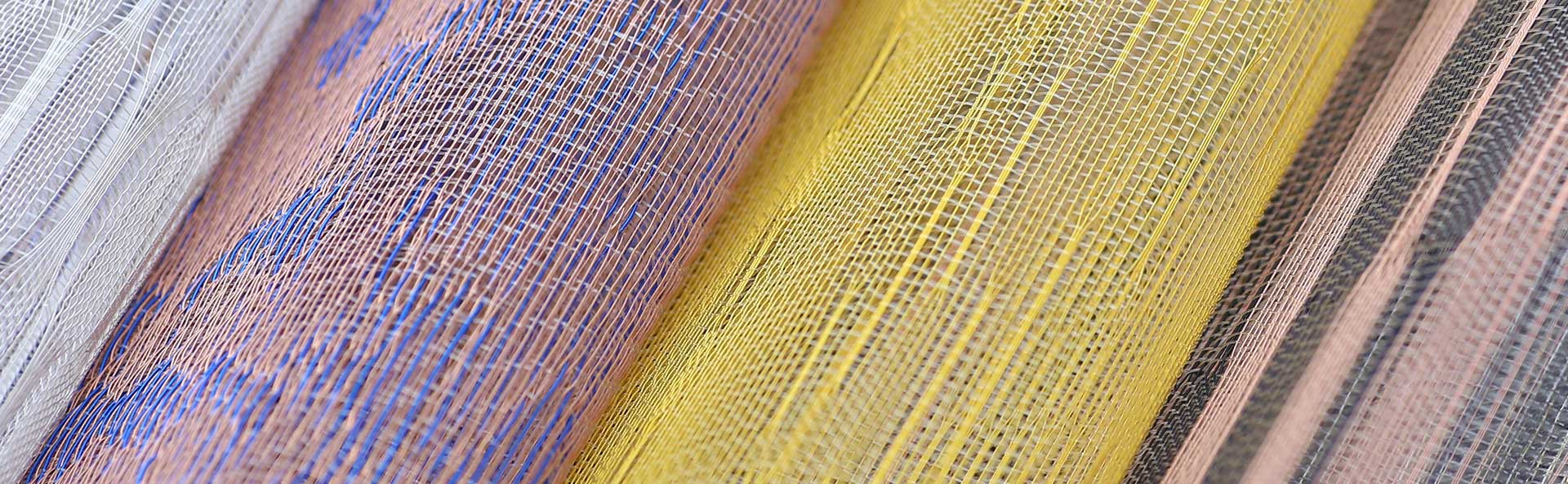
Creatively Reimagining How Dress Fabrics Can Give A Unique Twist To Your Custom Curtains
Although large, the curtain material world is operated by a certain set of standards. They have to be light and durability and the ability to manage light. Making use of dress fabric in custom made drapes is not an ordinary substitute for fabric, but is a deliberate and an innovative leap. This crossover uses intricate patterns, color palettes, and flowing drapes of fabric in order to give windows a look that is not possible with conventional furniture. This isn't a simple and risk-free swap. It demands a nuanced understanding of material science, inventive construction, and the strategic selection of suppliers. This guide will help you redesign the dress fabric to create drapery. It covers the striking fabrics from Birmingham's markets, as well as the high-end silks available in Lichfield.
Information on the Top 10 Things You Need To Know:
1. The Structural Enhancement Imperative: Dress Fabric Is a Component Not an Individual.
The dress fabric isn't enough to be an elegant curtain. Its main function is to provide an stunning "face." It has to be joined with a hidden architecture. The calico is backed by a solid, neutral material (called an "underlining" when making dresses). This creates a body for the dress and also a sense of transparency. The sandwich, which is comprised of three layers, helps stabilize the softer, more flexible fabric, reduces seam stress, and allows them to hang with a sense of authority as furnishing fabrics. A curtain maker familiar with this technique is essential; many in Walsall or Birmingham's workrooms might hesitate, but a Lichfield-recommended artisan, versed in delicate cloth, will understand.
2. Sunlight and Sanctuary Test. It is recommended to choose windows facing north or with low light.
The most efficient applications are located in areas where fabrics are protected from hot and long-lasting sun. The best candidates are a north facing reading area, bedroom with dark windows, or an indoor bathroom. Silk taffeta or viscose that has a print on it and placed in a bay that is south-facing is a sure invitation to an immediate and painful fade. Before you even step foot into a fabric store the consideration of geography should be the deciding factor in your fabric. This narrows your search to "a beautiful cloth for a protected environment" rather than "any beautiful fabric".
3. The Lichfield Loophole.
Lichfield’s shops of fabric are ideal for hunting. The majority of premium fabrics are sold in 3-5-metre bolt-ends. This isn't enough to completely cover a gown. It's nevertheless perfect to make a cafe curtain or an eye-catching window. The remnants can be purchased from European or Liberty designers and offer superior fabrics at a bargain price for soft furnishings. The limited metreage requires a more creative application for example, a dressing-room canopy or skirt, instead of full-length curtain panels to your dining room that can result in the most beautiful outcomes.
4. The Width Mismatch calculation: Accepting seams as a design element.
Dress fabric can be up to 115cm (or 140cm) that is smaller than standard curtain fabric (137cm (15cm). For the amount of coverage you require (2.5x rail width) It will have many more vertical seams. Consider highlighting them instead of covering them. Use a contrasting piping, that comes from Lichfield's exquisite haberdasheries that are inserted into every seam. Also, you can create an elongated strip of upholstery fabric across each seam. The result is a panelled fashion-forward look that mimics the structured seams on an elegant jacket.
5. The "Upholstery Fabrics" Partnership: Creating an Integral Hybrid.
Combining pure dress fabrics with upholstery fabric can give the look a whimsical feeling. You can use the fabric as an accent - a deep drawn border around the edge of the hemline, a distinct edge or a layered "vallance" (vallance) or "vallance" over curtains of solid heavyweight wool, cotton, or other fabrics. This allows you to make use of a smaller, less expensive amount of a beautiful dress fabric (a metre or two from Birmingham's Rag Market) while gaining the light-blocking and thermal mass of a good furniture fabric. It creates a conversation between the delicate and massive.
6. The Formal to Fluid Spectrum: Matching Fabric Type to Curtain Style.
Certain dress fabrics do not fit all styles of curtains. Utilize the same method to match the style of the curtain with the dress. If you're looking for curtains that have clean, well-crafted lines, then a structured brocade or dupion is perfect. The fluid crepe or jersey that is used in flowing dresses is perfect for "puddled" loosely gathered curtains that have a relaxed organic drape. A Birmingham seller may only offer "fabric in a meter" however, in a Lichfield shop you could talk about the "drape coefficient" and how it influences the curtain's header as well as its construction.
7. The Carecycle Conundrum The Carecycle Conundrum, Planning for Delicate Maintenance.
Custom-made curtains made from cloth aren't just a "set and forget" product. The cleaning and care of the curtains are a significant element of their story. You could opt to employ professional steaming instead of washing. Make use of the gentle vacuum cleaner and an attachment for a toothbrush. Or rotate them seasonally. This must be a conscious decision at the beginning. When sourcing, ask specifically about cleaning. A Walsall shop may offer advice on practicality, while the Lichfield boutique will be discussing the gradual patina that develops on natural silks and linens as a benefit and not a defect.
8. Birmingham Market Foray. Looking for theatrical and dressier cloth.
Birmingham is a city renowned for its huge markets, however there are also stalls that cater to fabrics for historical reenactment and theatre. Here, you are able to find heavier-weight "dress" fabrics: velvets meant for cloaks, heavy wool twills suitable for coats, or densely embossed nets. They already have the strength and body required for curtains. This means that they don't need to be constructed to be strengthened. This niche sourcing transforms the Birmingham journey into a thrilling adventure in the search for the most robust dresses.
9. The Harmony of the Header and Hardware: Choosing a Top Treatment.
The curtain's head should match the fabric. A large, stiff pinch-pleat can ruin delicate chiffon. Instead, go for a simple, gathered header on a slim pole, or a tab-top that is hidden to give an airy feel. A classic pleat on a wooden pole is the perfect way to formalize an elegant jacquard. The best way to decide is by consulting with your designer prior to finalizing the fabric selection, as it will affect the cut length and stress points. The Walsall workroom could use standard tape. It is important to guide them toward an easier finishing.
10. The Narrative Integration: Let Fabric's story define the room's mood.
In the end it's all about telling a story. The curtain is constructed of an enthralling African print fabric, which is available in a few Birmingham markets. It tells a tale of the world's colors. Linen curtains are made from a piece of Lichfield linen, was originally designed for an outfit for summer. They have a soft airy, calming, and romantic look. This style goes beyond mere decor. Window treatments are required to have a meaning. They transform the screen from a normal screen to a portrait.